
Proton Therapy in China: A Guide for International Patients
Proton therapy is an advanced form of external beam radiation therapy that delivers targeted radiation to tumors. Whether it is appropriate depends on a comprehensive evaluation of your medical diagnosis, overall treatment goals, and specific radiation planning considerations. This guide outlines how proton therapy works, how it compares with intensity-modulated radiation therapy (IMRT), the clinical evaluation process, travel preparations, and coordination support for international families. If you are exploring treatment options in China, we invite you to review our case submission process to understand how your medical records can be prepared for expert clinical review.
Multilingual Case Coordination Protocol
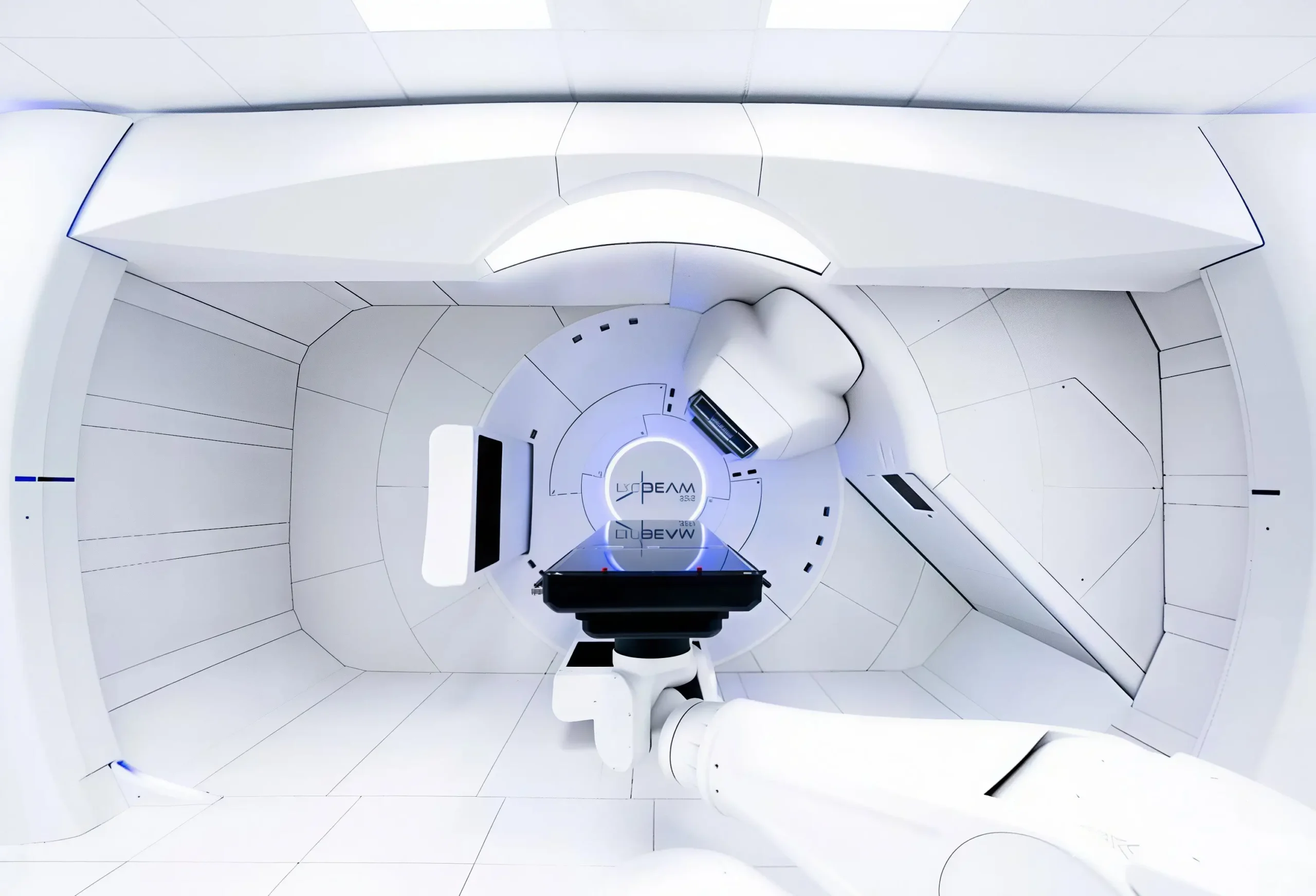
What Is Proton Therapy?
Proton therapy is an external beam radiation technology that uses positively charged particles to target specific tumors. While it offers a precise method for delivering radiation, it remains a specialized treatment tool rather than a universal solution, and its suitability must be evaluated individually by qualified radiation oncologists based on each patient's diagnosis.
How Does Proton Therapy Work?
During treatment, a specialized machine directs accelerated proton beams precisely at the tumor site. Radiation oncologists and medical physicists use detailed imaging studies, such as CT or MRI scans, to map the body in three dimensions. This enables the clinical team to outline the precise target volume and design a customized radiation path aimed directly at the cancerous tissue while avoiding critical anatomical structures.
How Is Proton Therapy Different from Photon Radiation?
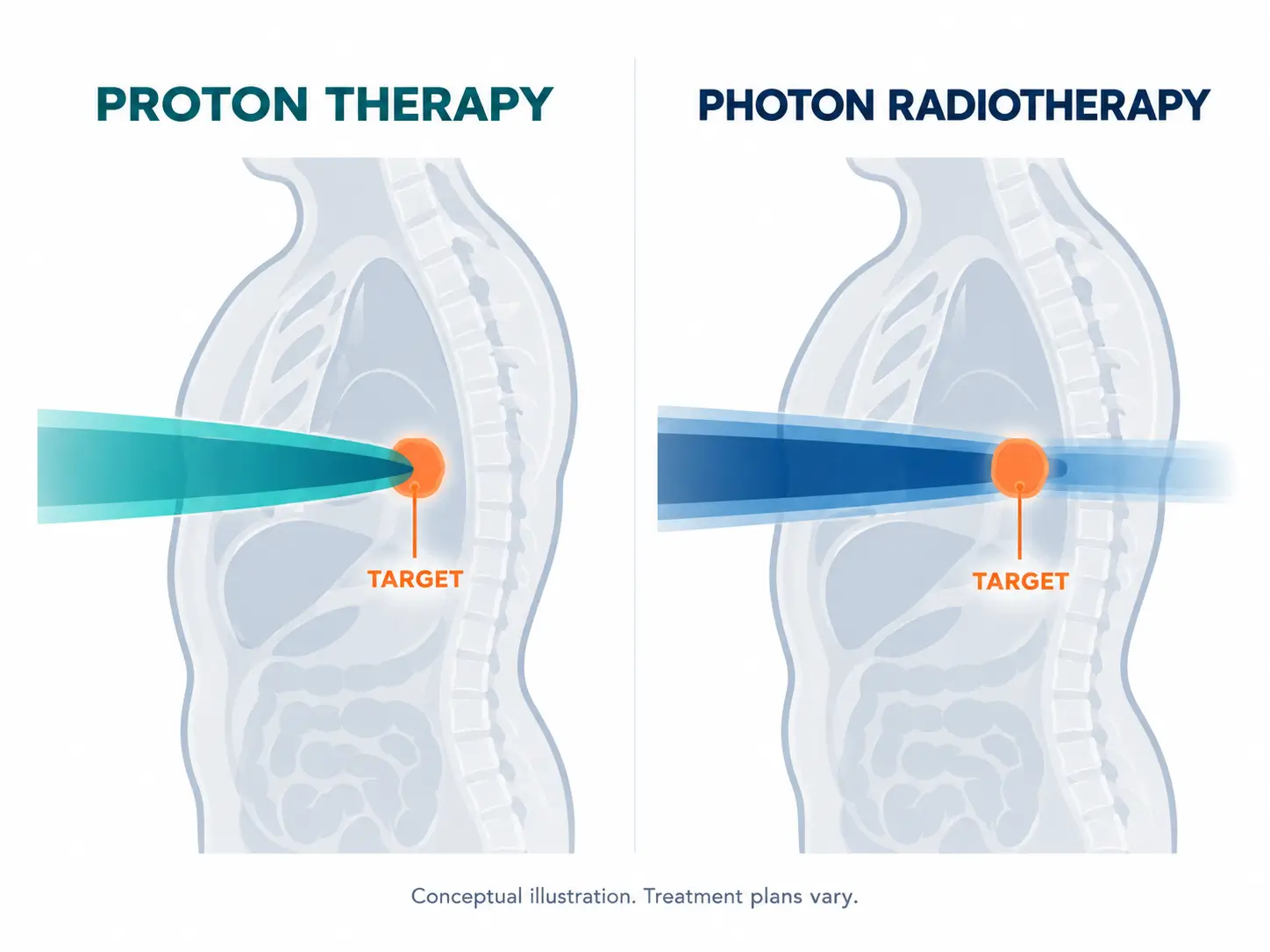
The primary physical distinction between protons and traditional photon radiation, such as IMRT, lies in how energy is released inside the body. Photons pass through the tumor and continue depositing energy into healthy tissue beyond it. In contrast, protons can be controlled to stop after releasing most of their radiation dose within the target zone. In certain treatment plans, this unique dose distribution may help reduce exposure to surrounding normal tissues, though clinical outcomes and side effects vary depending on the patient's condition.
What Does Dose Distribution Mean for Patients?
A favorable dose distribution on paper does not automatically guarantee superior clinical outcomes or fewer side effects for every clinical scenario. Radiotherapy choices depend on complex factors, including tumor location, prior treatments, and overall management goals. International patients should consult medical professionals to compare specific treatment plans, understand potential benefits, and evaluate uncertainties rather than relying solely on marketing terms like "greater precision."
Who May Be Evaluated for Proton Therapy?
Determining whether proton therapy warrants formal evaluation depends on individual medical history and specific treatment planning, rather than a cancer diagnosis alone. Qualified radiation oncologists review comprehensive diagnostic records to assess whether a proton-based plan offers meaningful clinical advantages over other established treatment modalities for a specific patient.
Factors the Radiation Oncology Team May Review
When evaluating potential candidates, a radiation oncology team typically conducts a thorough review of the patient's complete medical file. Key considerations often include the primary diagnosis, detailed pathology reports, and precise anatomical staging. Physicians evaluate the tumor’s size, exact location, and proximity to critical organs or sensitive healthy tissue. They also review previous treatments—such as surgeries, prior radiation exposures, or systemic therapies—alongside the patient’s overall health status and personal care goals. To determine suitability, medical physicists and clinicians may generate comparative radiation planning studies and outline necessary follow-up schedules to ensure treatment continuity and monitor long-term outcomes effectively.
Why the Individual Treatment Plan Matters
Even patients diagnosed with the same type and stage of cancer may require vastly different management strategies. Differences in tissue geometry, prior medical history, and daily organ movement mean that a treatment plan suited for one individual may offer no added benefit to another. Medical teams often need updated imaging studies, pathology re-evaluations, or supplementary diagnostic tests to simulate and compare different radiotherapy options accurately. Ultimately, the decision to recommend proton therapy relies entirely on the expert clinical judgment of the treating radiation oncology team after a meticulous case-by-case review.
Questions to Ask Your Radiation Oncologist
- What are the primary goals of radiation therapy for my specific condition?
- How does a proton therapy plan compare directly with photon-based alternatives like IMRT in my case?
- What are the potential benefits, known uncertainties, and expected side effects associated with each option?
- What long-term follow-up and monitoring will be required after completing treatment?
Proton Therapy vs. IMRT: What Should Patients Compare?
When evaluating treatment options, patients should focus on comparing specific clinical plans developed for their individual diagnosis rather than choosing based on technology names alone. Every radiotherapy modality carries distinct characteristics, and the optimal choice depends entirely on how a specific treatment plan balances target coverage against healthy tissue preservation.
Compare the Treatment Goal and Planning Outcomes
Patients should work with their medical team to ensure that the primary therapeutic objectives remain consistent across all evaluated modalities. It is essential to ask radiation oncologists to explain how proton and IMRT plans differ regarding total radiation dose delivered to the tumor versus surrounding critical organs. Understanding these technical dose distribution differences helps clarify what potential benefits or trade-offs a specific plan offers for your personal care strategy.
A Patient-Friendly Comparison Checklist
Clinical Planning Guide| What to compare | Questions to ask |
|---|---|
| Treatment Goal | Does this plan aim for curative intent, disease control, or symptom relief? |
| Nearby Organs | How much radiation will adjacent healthy tissues and sensitive organs receive? |
| Expected Patient Benefit | What specific clinical advantages does this plan offer over alternative techniques? |
| Risks and Uncertainty | What short-term side effects and potential long-term risks should I anticipate? |
| Access and Follow-Up | What is the expected treatment duration, and how will post-treatment monitoring be managed? |
Why "Newer" Does Not Automatically Mean "Better"
Advanced technology does not automatically translate into superior outcomes for every clinical scenario, as scientific evidence varies significantly across cancer types. For example, findings from the TORPEdO trial presented by ASTRO evaluated patient-reported outcomes specifically in oropharyngeal cancer. Its results cannot be generalized to all cancers or every individual case. Clinical suitability depends on dedicated clinical studies, rigorous radiation physics planning, and individualized expert medical assessment.
References cited: ASTRO - IMRT Matches Proton Therapy in Patient-Reported Outcomes for Oropharyngeal Cancer (TORPEdO Trial)What Can International Patients Expect During Treatment?
The clinical pathway for radiation therapy varies depending on the medical center, specific diagnosis, and individualized treatment plan. The stages outlined below represent a general overview of standard clinical workflows for international care and do not constitute an official protocol, timeline, or guarantee from any specific healthcare facility in China.
International Clinical Pathway
- Medical Records
- Clinical Imaging
- Plan Review
The treatment pathway usually starts with a structured document review, followed by imaging validation and physician-led plan comparison. Each step supports a clearer clinical decision rather than functioning as a guarantee of treatment eligibility.
Collaborative Tumor Board & Dosimetry Review
Senior radiation oncologists and medical physicists evaluate high-resolution diagnostic imaging and 3D tumor contours, ensuring treatment planning aligns closely with clinical indications before beam delivery begins.
- Comprehensive pre-treatment evaluation
- Multidisciplinary oncology consultation
- Stage 1 · Document Dossier
Submit Records for Clinical Review
The evaluation process typically begins with gathering and submitting detailed medical documentation, including pathology reports, prior treatment histories, and high-resolution imaging files. If provided records are incomplete or outdated, the reviewing clinical team may request supplementary documentation or updated diagnostic scans. Submitting medical records and engaging in preliminary remote communications serve informational purposes and do not constitute a formal diagnosis, medical contract, or guaranteed admission.
- Stage 2 · Oncology Dialogue
Discuss the Case with the Medical Team
Once medical records are reviewed, patients or their local physicians may consult with the oncology team to discuss clinical findings, potential treatment objectives, and applicable radiotherapy options. This discussion provides an opportunity to evaluate potential risks, ask questions, and review required preliminary steps. Remote consultations may not be suitable or available for every situation, and final clinical decisions remain subject to direct in-person evaluation.
- Stage 3 · Medical Physics
Complete Simulation and Treatment Planning
If a patient proceeds with treatment, the clinical phase begins with a simulation session to ensure precise positioning during daily care. Radiation technologists may create custom immobilization devices, such as specialized masks or cushions, and perform planning imaging scans. Medical physicists and radiation oncologists use these scans to calculate exact beam angles, dose limits, and target contours, ensuring the radiation is mapped carefully to the intended treatment area.
- Stage 4 · Active Beam Delivery
Receive Treatment and Monitoring
Radiation treatments are delivered according to the schedule established by the attending clinical team. Session frequency, daily duration, and the total number of treatment weeks vary substantially based on individual medical needs and specific prescription plans. Throughout the treatment course, clinical staff periodically monitor the patient's health status, assess treatment tolerance, manage any emerging side effects, and adjust supportive care as medically necessary.
- Stage 5 · Care Continuity
Obtain a Treatment Summary and Follow-Up Plan
Upon completing the recommended radiation course, patients should receive a comprehensive discharge summary, treatment execution records, and copies of post-treatment imaging studies. The clinical team will outline recommended follow-up schedules, required laboratory work, and monitoring guidelines. Having a complete medical dossier helps facilitate a seamless transition of care back to local physicians in the patient's home country.
What Are the Risks and Possible Side Effects?
Like all medical interventions, proton therapy carries risks of side effects. The likelihood, type, and severity of potential reactions depend on the specific anatomical site being irradiated, the calculated radiation dose, previous cancer therapies, and individual patient health factors. Proton therapy does not completely eliminate radiation exposure to healthy tissues.
Side Effects Depend on the Treatment Area
Side effects are primarily localized, occurring in or near the specific region receiving radiation. According to the National Cancer Institute (NCI), common general reactions across various radiation modalities may include persistent fatigue, as well as localized skin changes such as redness or dryness in the treatment field. Other potential side effects vary widely; for instance, radiation to the head and neck area affects different organ systems than radiation directed at the chest, abdomen, or pelvis.
Short-Term and Late Effects
Side effects are generally categorized by when they develop. Short-term effects often emerge during or shortly after the treatment course and gradually resolve over time. In contrast, late effects may persist or develop months or years after completing radiation therapy. Because long-term outcomes vary, patients should discuss expected recovery timelines and post-treatment monitoring schedules with their attending medical team before beginning therapy.
Questions About Safety and Follow-Up
- Which specific side effects are most common for a treatment plan targeting my tumor location?
- What warning signs or symptoms should prompt immediate contact with the clinical care team during or after treatment?
- What specific follow-up care and routine evaluations will be necessary to monitor for potential late effects?
- How will my post-treatment records and monitoring guidelines be communicated to my primary care team at home?
How Can International Patients Access Proton Therapy in China?
International patients considering treatment in China should first verify whether a specific medical facility evaluates their medical condition. Understanding the initial record submission process, communication channels, appointment timelines, and medical document transfer procedures helps families organize their care journey efficiently.
Confirm the Provider and Case Review Process
Patients should carefully confirm the full official name, location, and specific international or oncology departments of candidate hospitals. It is essential to understand the facility's formal medical record submission process and case review workflow prior to making travel arrangements. Patients should request clear information regarding who conducts the preliminary file review and how clinical evaluations are communicated. Because hospital policies, clinical capabilities, and admission requirements vary, families should rely strictly on verified documentation directly from the healthcare provider rather than assumptions or unverified third-party claims.
Plan Communication and Coordination
Navigating international healthcare requires clear administrative and language preparation. Patients should determine in advance whether their medical records, diagnostic imaging reports, and pathology slides need certified translation into Chinese or English. It is important to clarify how doctor-patient communications, daily clinical consultations, and emergency contacts will be handled during the stay. Families should also confirm how clinical progress notes, daily treatment delivery logs, and discharge summaries will be documented and provided upon completion of care.
Plan the Stay Around the Medical Schedule
Travel itineraries and living arrangements should be planned strictly around the clinical timeline established by the treating medical team. Before booking flights or accommodations, patients should obtain written confirmation regarding expected dates for initial in-person evaluations, simulation scans, planning periods, and daily treatment sessions. Because clinical timelines depend entirely on individual radiation plans and physician assessments, families should maintain flexible travel arrangements to accommodate potential schedule adjustments, required follow-up appointments, or recommended recovery periods.
Proton Therapy at Xi’an International Medical Center Hospital

Operational Status: Opened March 2026
Xi’an International Medical Center Hospital’s Proton Therapy Center began clinical operations in March 2026. Located in Xi’an, the center is equipped with a Varian ProBeam 360° proton therapy system. It is the first proton therapy center to open in Northwest China, expanding access to proton therapy in the region.
Technology and Treatment Planning
The center uses pencil-beam scanning and CT simulation as part of its proton treatment planning process. Each case is assessed by physicians before treatment is considered. Physicians, medical physicists and technologists work together to develop a treatment plan and arrange simulation and treatment scheduling. The plan is tailored to the patient’s diagnosis, imaging, previous treatment and clinical goals.
Clinical Focus
The center’s clinical focus includes selected pediatric, central nervous system, head and neck, lung, liver and prostate tumors. This list describes areas of focus and is not a guarantee of eligibility. The clinical team determines whether proton therapy is appropriate after reviewing each patient’s case and treatment options.
Support for International Patients
For international patients, the first step is to prepare the medical records needed for a clinical review. RegenComp can help patients organize their records and coordinate communication about the next steps. The center’s clinical team determines whether further assessment is needed and whether proton therapy may be considered. Treatment recommendations are made by the treating physicians.
How Much Does Proton Therapy in China Cost?
The total financial requirement for proton therapy varies and depends entirely on the written estimate provided directly by the treating medical center after reviewing a patient's case. Because clinical protocols and institutional fee structures differ, prospective patients should avoid relying on generalized figures or unverified estimates and instead request an official itemized quotation from the hospital.
What Can Affect the Total Cost?
Overall medical expenses depend on several diagnostic and therapeutic factors specific to each individual case. Primary cost components may include preliminary case reviews, specialized radiation physics planning, immobilization devices, and high-resolution diagnostic imaging (such as CT, MRI, or PET scans). The total number of daily treatment fractions prescribed by the radiation oncologist directly influences facility and equipment usage fees. Additionally, supportive care medications, inpatient hospital stays versus outpatient clinic visits, laboratory testing, translational services, and follow-up consultations all contribute to the final medical bill.
What Should a Written Estimate Include?
When requesting financial information from a healthcare provider, patients should seek a detailed, written cost breakdown. A comprehensive estimate should clearly specify which clinical services are covered—such as simulation, planning, beam delivery, and physician fees—and explicitly identify potential excluded costs, such as secondary consultations, unexpected complications, or supplementary diagnostic tests. Furthermore, the document should state the currency of payment, payment schedules, accepted payment methods, refund policies, and the exact validity period of the provided quote.
Travel and Accommodation Planning
Beyond direct hospital billing, international care involves non-medical travel logistics that must be planned independently. Expenses such as international flights, local transportation, long-term accommodation near the treatment center, daily living costs for the patient and accompanying family members, visa fees, and independent medical interpretation should be evaluated separately. Patients should avoid viewing unverified bundled packages as fixed prices, as non-medical expenses depend heavily on individual comfort preferences, family size, and the length of stay required by the clinical team.
How RegenComp Supports the Patient Journey
"RegenComp assists international patients by helping organize medical records, facilitating clear communication, and navigating non-medical travel logistics for treatment in China. We operate strictly as an administrative and coordination partner; all clinical evaluations, diagnosis, eligibility determinations, and treatment decisions remain solely with qualified hospital medical teams."
Coordination Support for International Patients
We assist families in assembling, structuring, and translating foreign medical dossiers into standardized formats required by prospective medical facilities. Our team guides patients through understanding initial document submission guidelines, facilitates administrative inquiries with hospital international departments, and provides logistical information regarding travel, local transportation, and accommodation near care facilities. By handling record organization and non-medical communication channels, we help international families navigate complex cross-border administrative steps with clarity, ensuring all background information is presented accurately for physician review without offering medical advice or making clinical claims.
What a Preliminary Review Can and Cannot Do
Initial record coordination and administrative discussions serve purely informational purposes. They do not constitute a formal diagnosis, clinical second opinion, confirmation of treatment eligibility, or guaranteed hospital admission. All medical determinations require direct review and acceptance by attending radiation oncologists.
Ask About the Case Review Process
Share your preliminary documentation to learn how medical files are prepared and structured for institutional review.
Frequently Asked Questions
Essential clinical and practical clarifications for international patients considering proton radiotherapy.