Traditional Chinese Medicine / Bodywork in China

Experience Tuina in China: A Traditional Chinese Bodywork Practice

Rooted in Traditional Chinese Medicine (TCM), Tuina is a dynamic bodywork system that uses rhythmic pressing, rolling, and kneading along the body’s meridians to support natural balance and physical well-being. Unlike a standard spa massage, Tuina ranges from gentle relaxation to vigorous, deep-tissue therapy, depending on your individual needs and provider.

Acupressure & Meridian Focus
Tension Relief & Qi Flow
Certified TCM Practitioners
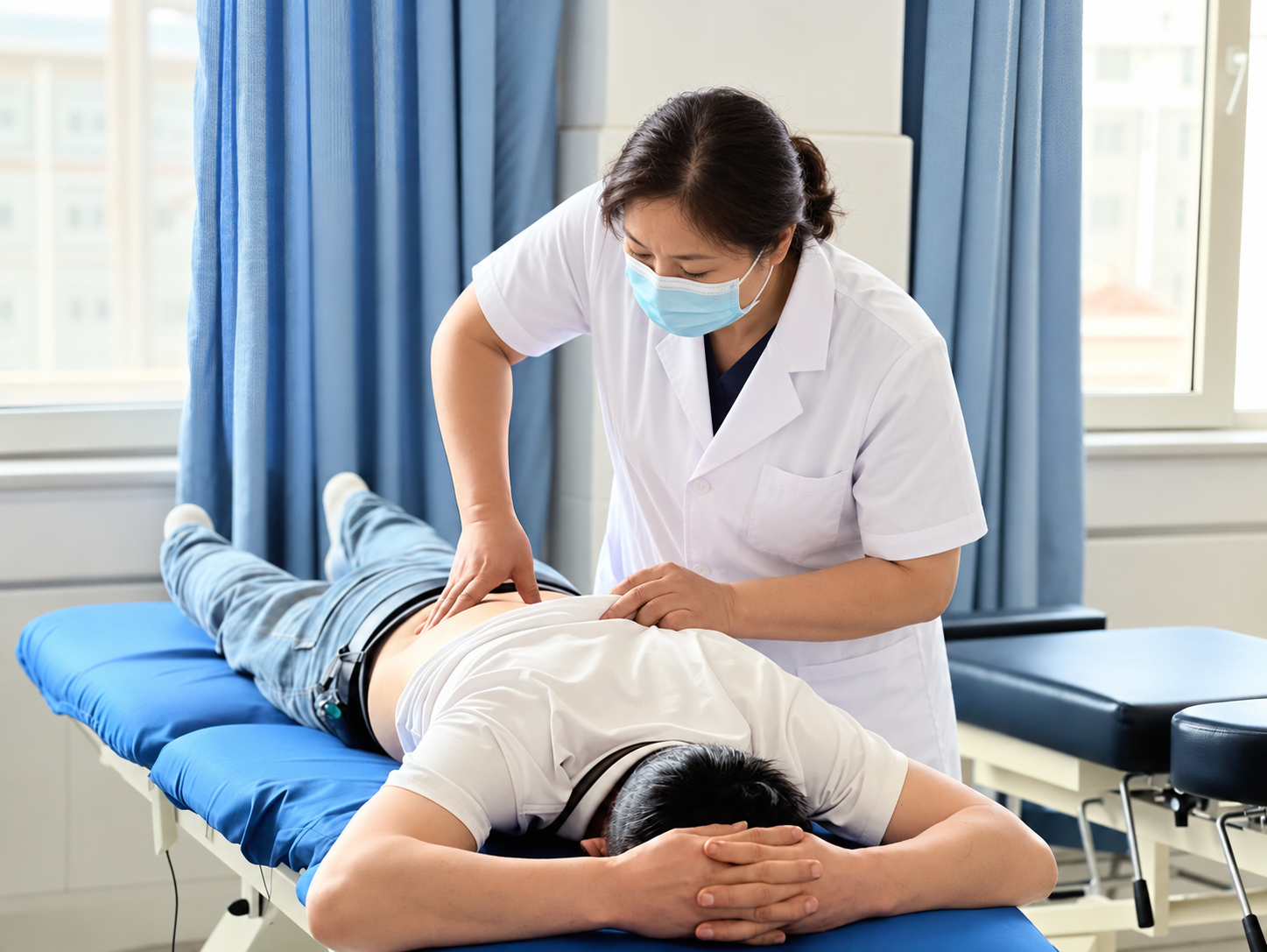
Clinical physical therapy Tuina session performed by a licensed Traditional Chinese Medicine practitioner
Hands-on Bodywork
Clinical Grade
Treatment Approach Adapted to Individual Needs
Holistic Health
Meridian Circulation & Recovery

Clinical illustration: Certified Traditional Chinese Medicine bodywork & manipulative therapy in practice.

Prescribed for musculoskeletal balance & systemic vitality
Essential Patient Guide · What to Expect

Harmonizing Body & Mind Through Traditional Tuina

If you are planning to experience Tuina in China, this guide will help you navigate what to expect during a visit, how to prepare for your session, and what factors to consider when choosing a qualified clinic or practitioner. Whether you are seeking relief from everyday tension or exploring traditional wellness practices, understanding these foundational steps ensures a respectful, comfortable, and well-informed experience.

推

Rooted in Traditional Chinese Medicine (TCM), Tuina balances the flow of Qi (vital energy) through meridian acupoints and manual tissue therapy.

Understanding Tuina

Discover Tuina, a
Traditional Chinese Practice

Tuina is a therapeutic hands-on bodywork system rooted in traditional Chinese medicine. Developed over centuries of clinical practice, it incorporates a wide array of manual techniques, including pressing, pushing, rolling, kneading, and stretching along specific pathways of the body. Rather than relying on a single uniform method, practitioners adapt their style based on traditional principles and individual needs.

Because Tuina spans various therapeutic traditions and clinical settings in China, the overall experience can differ significantly depending on the practitioner, facility, and care goals. Sessions may range from soft-tissue work aimed at general comfort to more intense, targeted manipulation. It is not a replacement for standard medical care or evaluation. If you are considering a session during your travels, it is best to ask the provider beforehand about their specific techniques, qualifications, and what a typical appointment includes to ensure the session aligns with your preferences and health considerations.

Clinical Essence

Preserving clinical precision & balance of Qi flow

Common Manual Techniques

One practice.
Different approaches.

01 按法 • Àn Fǎ

Pressing

Steady downward acupressure targeting meridian points to dispel stagnation and stimulate circulation.

Sensory profile: Firm, penetrating & deeply rooted point stimulation
02 推法 • Tuī Fǎ

Pushing

Linear, directional rhythmic strokes along energy channels to guide Qi, warm the pathways, and relax fascia.

Sensory profile: Smooth, continuous gliding warmth along meridian tracts
03 滚法 • Gǔn Fǎ

Rolling

Continuous oscillating wrist motion on broader muscle groups for deep tissue release, tension reduction, and joint lubrication.

Sensory profile: Rhythmic wave pulsation over large muscular areas
04 揉法 • Ròu Fǎ

Kneading

Gentle circular manipulation using palm root, thenar eminence, or thumbs to harmonize tension, ease soreness, and resolve knots.

Sensory profile: Warm, cyclical dissolution of localized tightness
05 拔伸法 • Bá Shēn Fǎ

Stretching

Passive joint mobilization, manual traction, and gentle alignment to enhance mobility, elongate spine segments, and release locked joints.

Sensory profile: Expansive decompression & restored articular space
Tuina in China · Clinical context

What Conditions Is Tuina Commonly Used For?

Tuina is offered in some Chinese hospital and traditional Chinese medicine settings. The examples below help international visitors understand which concerns may be discussed during a consultation. Suitability and treatment choices depend on an individual assessment.

Tuina hands-on care illustration
Understand the clinical setting A clinician should assess the condition before recommending a hands-on approach.
骨伤与脊柱病症 · Adult consultations

Neck, Shoulder & Back Concerns

Musculoskeletal complaints may lead patients to ask whether Tuina has a role alongside their broader care plan.

Explore common consultation topics

Cervical spondylosis

Share your symptoms, neurological findings and existing diagnosis with the clinician. The appropriate approach varies by individual.

Frozen shoulder

Ask about the source of restricted movement and the role of any hands-on care in a wider rehabilitation plan.

Lumbar disc herniation

Discuss symptoms and any imaging or specialist advice first. Some techniques may be unsuitable for particular spinal conditions.

Knee osteoarthritis

Review pain, mobility and current treatment before deciding whether complementary hands-on care is appropriate.

小儿推拿 · Pediatric consultations

Specialized Pediatric Concerns

Pediatric Tuina is a separate area of practice. A child’s condition and safety should be reviewed by a qualified clinician.

Explore common consultation topics

Infantile muscular torticollis

Confirm the diagnosis and ask which assessments or referrals are needed before considering any manual technique.

Functional constipation

Discuss persistent symptoms, diet, medical history and red flags with the child’s clinician before using complementary care.

Poor appetite

Ask about possible causes and growth or nutrition concerns; manual care should not delay medical evaluation.

What to Expect 就诊全流程体验

What Does a Tuina Experience Feel Like?

An intuitive, collaborative journey designed around your physiological equilibrium. Discover the step-by-step progression from initial intake to post-session vitality.

Detailed Clinical Experience & Pacing

Because providers tailor their methods to individual needs, each Tuina session can feel quite different. A visit often begins with a brief intake discussion, where the practitioner may ask about your general comfort, physical concerns, and pressure preferences. Before beginning, the practitioner can explain their planned approach so you understand what to expect.

During the session, manual techniques may range from broad, steady rolling to targeted pressing across different areas of the body. The pace, pressure, and specific movements often vary depending on the practitioner’s style and training. Communication remains key throughout the appointment: you are encouraged to provide feedback at any point, especially if you prefer lighter pressure or feel uncomfortable. Discomfort should not be quietly endured, and adjusting the treatment intensity is a standard part of a patient-centered experience. Afterward, the provider may briefly check in to ask how you feel and answer any questions before you leave.

Clinical Philosophy · 医患沟通
“Discomfort should not be quietly endured — adjusting intensity is a collaborative, standard part of the experience.”

Tuina works harmoniously with Qi and blood circulation. Your spoken cue ensures pressure stays therapeutic rather than strained.

Traditional Chinese Medicine Manual Therapy (推拿) Clinical Guide
THE HANDS-ON METHODS

Hands-On Techniques You May Encounter

01

Pressing

Thumb or palm pressure applied to a chosen body area.

02

Pushing

Rhythmic movements along muscle groups.

03

Kneading

Circular manual movements.

04

Rolling

Continuous movement over broader areas.

During a session, practitioners may draw from a broad variety of Tuina techniques depending on their training and your individual goals. Common examples include pressing with the thumbs or palms, rhythmic pushing along muscle groups, circular kneading, and continuous rolling over broader areas. These methods are illustrative rather than a universal protocol; the specific movements, applied pressure, and body regions addressed can vary widely between practitioners and even from one session to the next. Firm or intense pressure is neither required nor a sign of greater effectiveness. Visitors are encouraged to discuss their comfort and preferences beforehand and to speak up at any time if they would like the practitioner to modify the pressure, adjust their technique, or pause the session.

Your Visit Pathway | Clinical Journey

A Typical Visit: From Arrival to Aftercare

Understand standard clinical milestones for traditional Chinese bodywork sessions to ensure effective communication, tailored pressure, and maximum therapeutic recovery.

01
Step 1 of 4 · Pre-Session Protocol

Arrival & Intake Guidance

Make sure to proactively highlight any historical injuries, sensitive vertebrae, current hypertension, or muscle soreness before lying down on the treatment table.

02
Step 2 of 4 · Alignment Check

Confirm the Scope & Modalities

Agree together on specific techniques (rolling Gun Fa, pressing An Fa, kneading Rou Fa) and confirm exact targeted zones like cervical spine, lumbar spine, or shoulders.

03
Step 3 of 4 · Treatment Execution

During the Visit: Active Feedback

Use clear descriptors ("Zheng Hao" = just right, "Tai Zhong" = too hard, "Tai Qing" = too gentle). Don’t hesitate to ask the practitioner for a brief pause if pain feels sharp.

04
Step 4 of 4 · Post-Treatment Recovery

Aftercare & Restorative Recovery

Drink plenty of warm herbal or plain water to support metabolic clearance. Avoid cold air conditioning drafts immediately following vigorous deep-tissue manipulation.

Preparation & Assessment

While every facility operates independently, understanding the general flow of a Tuina visit can help you feel prepared and comfortable. Upon arrival, your visit typically begins with a basic intake conversation. This is an ideal time to share any relevant health information, discuss your current comfort levels, and ask any preliminary questions. Before the session starts, it is helpful to confirm with the provider what the appointment will involve, including the specific techniques or body areas to be addressed.

Communication & Integration

During the Tuina session, open communication remains essential. Practitioners adjust their pace and pressure based on your feedback, so feel free to request adjustments or ask to pause at any time. Afterward, you may have a brief opportunity to share how you feel and ask if the practitioner has any basic care recommendations, such as staying hydrated or resting. Because protocols, intake procedures, and appointment lengths vary significantly across clinics and wellness centers in China, visitors should always clarify what is included in their session before booking.

Pre-Visit Checklist • Clinical Preparation

How to Prepare for Your Visit

Essential steps and practical recommendations to ensure a smooth, respectful, and therapeutically effective Tuina bodywork experience in Chinese clinical and wellness settings.

To ensure a smooth experience, a few practical preparations can help you get ready for your appointment. Start by contacting the provider to confirm whether an advance booking is required and to clarify what the session includes.

Wearing loose, comfortable clothing is generally helpful, though you should ask the facility beforehand about any specific attire preferences. Be sure to share relevant health details, recent injuries, sensitivities, or personal comfort needs with the practitioner prior to beginning.

It is also wise to ask about payment methods, cancellation policies, and whether English language support is available. Finally, remember that your comfort is paramount; always feel empowered to speak up during the session if you would like the practitioner to adjust their pressure or approach.

Attire Protocol

Loose-fitting cotton pants and t-shirts facilitate dynamic joint mobilization and acupressure palpation without requiring disrobing in general settings.

Before You Go

Practical Checklist

Interactive Guide
Booking Decision Support • Clinical Due Diligence

Choosing a Tuina Experience in China

Finding the right provider for Tuina in China involves understanding how different facilities operate and clarifying your expectations before booking. Because standards, setting styles, and practitioner backgrounds vary, asking targeted questions directly can help ensure a safe, comfortable, and suitable session.

When evaluating potential providers, consider confirming the following details:

Select or check off criteria below to track inquiries during provider consultations.

Inquiry Checklist Pure CSS Guide
Decision Essence

Taking time to clarify these details upfront allows you to choose a setting that aligns with your personal comfort, communication needs, and health considerations.

✓ Hospital TCM Depts ✓ Licensed Clinicians ✓ Upfront Pricing
Health & Safety Considerations • Clinical Suitability

Is Tuina Right for Your Visit?

While many international travelers look forward to exploring traditional Chinese bodywork, a hands-on session may not be suitable for everyone at every time. Because Tuina involves physical manipulation and varying levels of pressure, it is essential to consider your individual health profile before booking an appointment.

Pre-Session Health Profile Checklist

Select any factor that applies to your current condition to flag considerations

Before your session begins, inform your practitioner of any relevant personal health factors. Sharing this information helps the provider determine if techniques should be modified or avoided altogether. Tuina should not replace formal medical evaluation or prescribed care.

Clinical Safety Principle

Tuina is an active therapeutic modality, not a gentle relaxation spa treatment. Sharing your complete health background ensures techniques are properly adapted or safely substituted.

Practitioner Disclosure Prior MD Clearance Personalized Modification
Plan with Confidence • TCM Concierge & Clinical Planning

Plan Your TCM Experience in China

Structure clinical due diligence, bilingual communication, and provider verification before booking acupuncture, tuina, or clinical herbal consults across mainland medical systems.

Personal Comfort Goals & Booking Due Diligence

Articulate target outcomes early: musculoskeletal relief, sleep rhythm rebalancing, or internal metabolic harmony. When scheduling, evaluate practitioner seniority designations and verify whether treatment rooms are private or shared ward setups.

In-Session Communication & Follow-up

TCM pulse and tongue diagnosis require clarity regarding recent food coloring, coffee intake, or pharmaceuticals. Real-time phrase translation protocols ensure needle de-qi sensations are accurately distinguished from sharp pain, preventing miscommunication.

RegenComp Patient Coordination & Decision-Support Scope

RegenComp acts solely as your personal coordination concierge and cultural liaison. We bridge linguistic gaps, facilitate direct hospital appointment registration, and arrange medical-grade transport without providing clinical judgment, prescriptions, or medical guarantees.

Plan a clearer TCM visit in China

RegenComp supports communication and coordination, not diagnosis or clinical suitability decisions.

Verified Providers Bilingual Support Non-Diagnostic Coordination
Common Questions • Clinical & Patient FAQ

Frequently Asked Questions

Practical answers about what a Tuina session may involve, how to prepare, and when to seek medical advice.

7 verified clinical insights
Pure CSS Interactive Accordion

Tuina is a traditional Chinese medicine bodywork practice that uses manual techniques like pressing, kneading, and rolling to support balance and well-being. It is tailored to individual needs rather than following a single standard routine, and it does not replace medical evaluation or treatment.

No, Tuina differs from a standard spa massage in its roots within traditional Chinese medicine theory and its focus on dynamic physical manipulation. While some techniques may feel relaxing, the overall approach, intensity, and session goals vary significantly depending on the practitioner and facility.

Unlike many oil-based Western massages, Tuina is traditionally performed through lightweight, comfortable clothing or beneath a medical cotton treatment cloth. We recommend wearing loose-fitting cotton pants and a comfortable shirt without heavy zippers, hoods, or thick seams so that practitioners can maneuver joint articulations and meridians smoothly.

A standard hospital or clinical outpatient session typically lasts between 30 and 50 minutes. The initial appointment includes a brief pulse/tongue observation and postural assessment (10-15 minutes), followed by 30-45 minutes of targeted manipulative therapy tailored specifically to your musculoskeletal complaints.

Yes, international travelers are welcome at tertiary TCM teaching hospitals, specialized outpatient centers, and licensed wellness institutions. Most top-tier university-affiliated TCM hospitals in metropolitan hubs (Beijing, Shanghai, Hangzhou, Guangzhou) provide international clinical wings with streamlined registration for passport holders.

Not necessarily. While basic Mandarin or a digital translation app (such as WeChat translate) is helpful in neighborhood community health clinics, premier international departments and verified hospital desks feature bilingual medical coordination personnel to assist with booking, consent documentation, and practitioner communication.

Yes. Always consult your primary physician prior to receiving spinal or vigorous manipulative Tuina if you have severe osteoporosis, acute spinal disc herniation with progressive neurological deficits, fractures, bleeding disorders or active anticoagulant therapy, or malignant tumors. Pregnant individuals must also notify practitioners in advance to avoid specific contraindicated acupoints.

Patient Inquiry & Support

Have a specific clinical inquiry not covered here?

Discuss with your TCM physician or coordination specialist prior to appointment for personalized clinical triage.

Pre-Visit Consultation
Individualized Care Plan
Multilingual Guidance